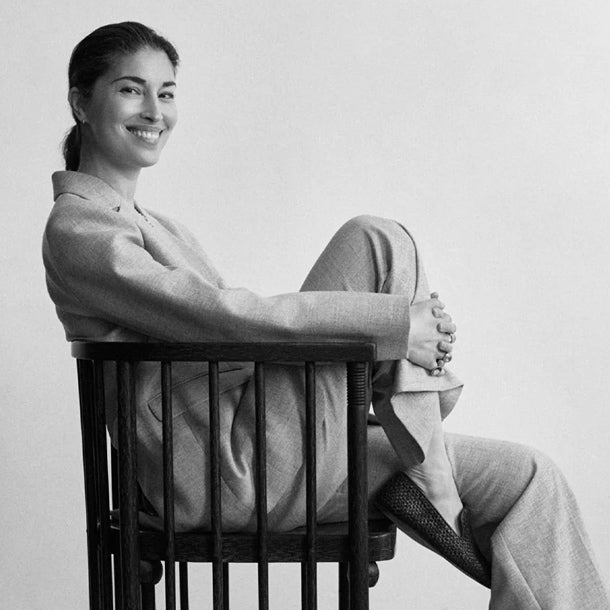
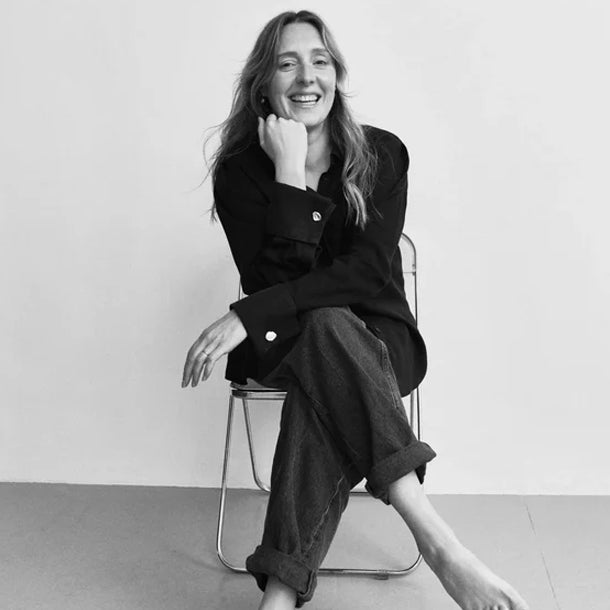

Kynfolk | Amy Powney in Conversation with Lucy Cleland
Last month, we were honoured to win the Editor’s Choice - Cross Industry Award at the Country and Townhouse Future Icons Awards. Ahead of the awards ceremony, AKYN founder and creative director Amy Powney sat down with Lucy Cleland, Editorial Director and Co-Founder Country and Townhouse magazine - the highest scoring B Corp in the UK media industry and the first glossy magazine in the world to certify.
Together, they discuss how the magazine continues to champion sustainability, the power of curating the room for the Future Icons Awards, and reclaiming the word ‘sustainability’.
Watch the conversation in full here.
Amy: Hi, thank you so much for doing this.
Lucy: Hi, Pleasure.
Amy: I admire you massively, so thank you so much for coming to do this. You've always been one of the people in the industry that has championed incredible people. It feels honest and authentic. Whenever I'm in a room of people that you've curated, I feel uplifted, truthful and inspired to keep going. So I couldn't be more honoured that you're here.
Lucy: Back at you Amy, back at you.
Amy: Can you tell us a bit about sustainability at Country and Townhouse? And I know you're such a pioneer in sustainability within it –I think you were one of the first B Corp certified publications?
Lucy: Definitely on the sort of glossy end. The Guardian is, The Big Issue is, but we, in the world, we're the first sort of luxury magazine. This started about six years ago, in an industry that doesn't always look to sustainability, but feeling myself that things were going really badly wrong. Every conversation I had was, my friends might be making plans to go on holiday next year. I was like, holiday? How can you do something next year? The world's collapsing. And I was really in a desperate sort of mental state. And I think through addressing that and saying, right, I can't leave my job (I started this business with my husband 18 years ago). It's that thing of what can you do within the industry that can change things? So that's when we started to look at our content.
As a magazine you are ultimately storytellers, which gives you a great outlet for your work, we have the spoken word, we have the visual word. So that was when it all started and when I started I said right we're going to put 30% of content and we're going to talk specifically about sustainability. And now that that sort of ship has sailed and we know sort of sustainability came as a trend. And then this year it feels, oh, that trend's over. Move on. Black is back. And that's A) highly depressing, B) probably inevitable, because we go in cycles as humans. But we have very much sort of then embedded sustainability, again, it's a problematic word, sustainability, into everything we do.

Amy: I think we talk about this a lot about the word sustainability, but I think what's hard is people have devalued it by greenwashing, so then it becomes a confusing word, but actually, ultimately, it is still the right word, because for people that are doing it right, and in a way, if you start - we talked about doing it - coming up with maybe another word for it, but then almost some of the readership, or some of our customers that maybe have just come on board to understand that, if you just shift the narrative again, I feel like it's unfair to the people that are working really hard in it. I feel like the tarnish has actually come from greenwashing. And so it upsets me slightly that we as truth tellers feel like we have to pivot where they get to own that word.
Lucy: I hadn't even thought about that. I think you're holding on to the OG meaning of sustainability and other people might be sort of skimming off it, trying to sort of latch on to the next buzzword. I totally, totally respect that.
Amy: I feel like we should get to keep it. We're trying really hard. For me, that is what sustainability is about. It's just keeping something constantly embedded. It should never be a percentage or a moment or a trend. It should just be so intrinsic and rooted in what we do.

Amy: You’ve created the Future Icons Awards - how did this come about?
Lucy: It's 100% some awards, but again, we want it to become a movement rather than just a moment. So we started with the journey to zero. And that again, that narrative, I think people found this ‘zero’ concept, hard. No one really understands what zero means. Zero is nothing. So we had a think and we thought, right, we need something positive, forward-looking, and that encompasses something beyond just sustainability. And when I say that, I mean that people are doing incredible things for people and planet that go beyond the carbon story or the sustainability story. They are curating amazing communities. They are growing their food in a particular way that is wonderfully regenerative. So it's a broader term, it's called Future Icons. It's my favourite day of the year and it's coming up literally next week. There is something weirdly powerful about being in that room with those people.
I remember, it made me so happy last year, we had a keynote speaker who was Lord Deben, conservative peer. And he was in the room with lots of sort of activists. But that is the joy, right? When you come into a room and you can have diversity of where you come from and thoughts. And I mean, there almost wasn't a dry eye in the house when he spoke. He spoke so beautifully and he comes from a really authentic place. It might not be the same place as me or you or some of our younger members, but to have a sort of Margaret Thatcher-era Tory MP in a room with these young, bright, feisty girls. And the room was held. I thought there's something really wonderful in that. And he noticed that, too, because he's not going to be exposed to much of that. He's usually in a big corporate structure talking to oil men.
I think that that's the magic of what we do as a magazine, you're able to use that because you have this platform to bring in lots of people from lots of different places.
Amy: It's so true. I was in the room, the one you're talking about, and felt exactly that. And, you know, I was actually having a conversation with someone about this the other day, it was Grace A. Forrest, you were at the dinner as well, and we were there and she was talking about how she was going to Iceland specifically to a female women's rights thing. And they brought men into the conversation this year and initially she was thinking, uh but this is about female empowerment, and then we were with Scott Wimsett and he was actually going too and he was one of the male speakers, who's obviously like divine soul, and were were just saying actually, sometimes these conversations because they're so raw we segregate them, we're saying no no we need to hold some space as women because of the patriarchy and everything so then we're going to own this thing, but actually if you just don't bring the men into the conversation too then how are you actually going to create systemic changes?
Lucy: Exactly. We can be better than that. I think working in these silos of exclusion, you're not good enough, you're not part of my thing, is just part of the same problem.

Amy: And we actually realised that after, and that's what's amazing about community because, you know, we all kind of initially have feelings and thoughts, but actually when you converse with people that have the same, you know what it always comes back to is empathy, and authenticity and good intention. If you can sit in a room with people that have those three attributes, it doesn't matter what narrative you're talking about, what, you know, even polarised ideas that you've got, if you can start with that as the foundation, you create magic from that and you'll create community and we'll open our minds to different things. And actually that is why, I think in all my darkest hours of, you know, the way of the world and working in the climate space and having two children in a frightening time. And, you know, sometimes it's hard. And as a business owner and juggling mom and all these things, the only time that I feel so energised to keep going is when I put myself in those rooms with those people that, you know, the dinner the other night, when we come to the awards, surrounding ourselves with like-minded people, it's really special.
Lucy: And it's utterly, utterly human. And that at the end of the day is all that will save us. The frogs aren't going to save us. The dogs aren't going to save us. You know, we have to make some decisions that will look at what we've got. And that is only through empathy, as you say. It's like restorative justice, isn't it? When you could look at someone who did something wrong to you in the face and talk about it, you feel relieved and you can move forward. I think we can't get hung up in the past and sort of blameful and victimhood. Onwards and upwards always. We can only do what we can do, there is no more that we can do. But having those bits of spotlight and oxygen and glitter and fun, you know, we need to have fun, we need to have playfulness. That is what it is to be human too. And without that, you know, that road is very dark. So enjoy it along the way, however dark that road may feel.
Amy: I think you said that about the awards too, it's a platform to obviously showcase these people, but in the work that they're doing, and it's across so many sectors, right? I'm a judge and a nominee, so I get to see it from both sides, which is amazing. But actually having been a judge, just getting into the nitty gritty of other organisations, because it's quite extensive, like what we need to do, like you vet it very, very well. And actually, I had to really go fully into those companies. It was fascinating for me. I learned things that I hadn't learned before. But also, it's really inspiring to see how much hard work everybody's putting in.
Lucy: That should give you a lot of hope and a lot of joy. They're not always great at talking about it, so there is a lot of communication that needs to happen. But boy, there's some great stuff going on out there. So not feeling alone in what you're doing or what I'm doing. There's millions of us out there, which is really, really good. We just have to come together and create the new community.
Amy: Yeah. Thank you so much.
Lucy: My pleasure. Thank you.
Bonus question: If you could have a conversation with anyone, past or present, who would it be?
“I'd really like a conversation with Rachel Carson, who wrote The Silent Spring, published in 1962. It really opened the eyes for people of that generation to see what was happening in the world. And it's whose book lots of the campaigners and activists I admire. They really reflect on her seminal work. And I'd really like to know what she thinks of where we are now.”

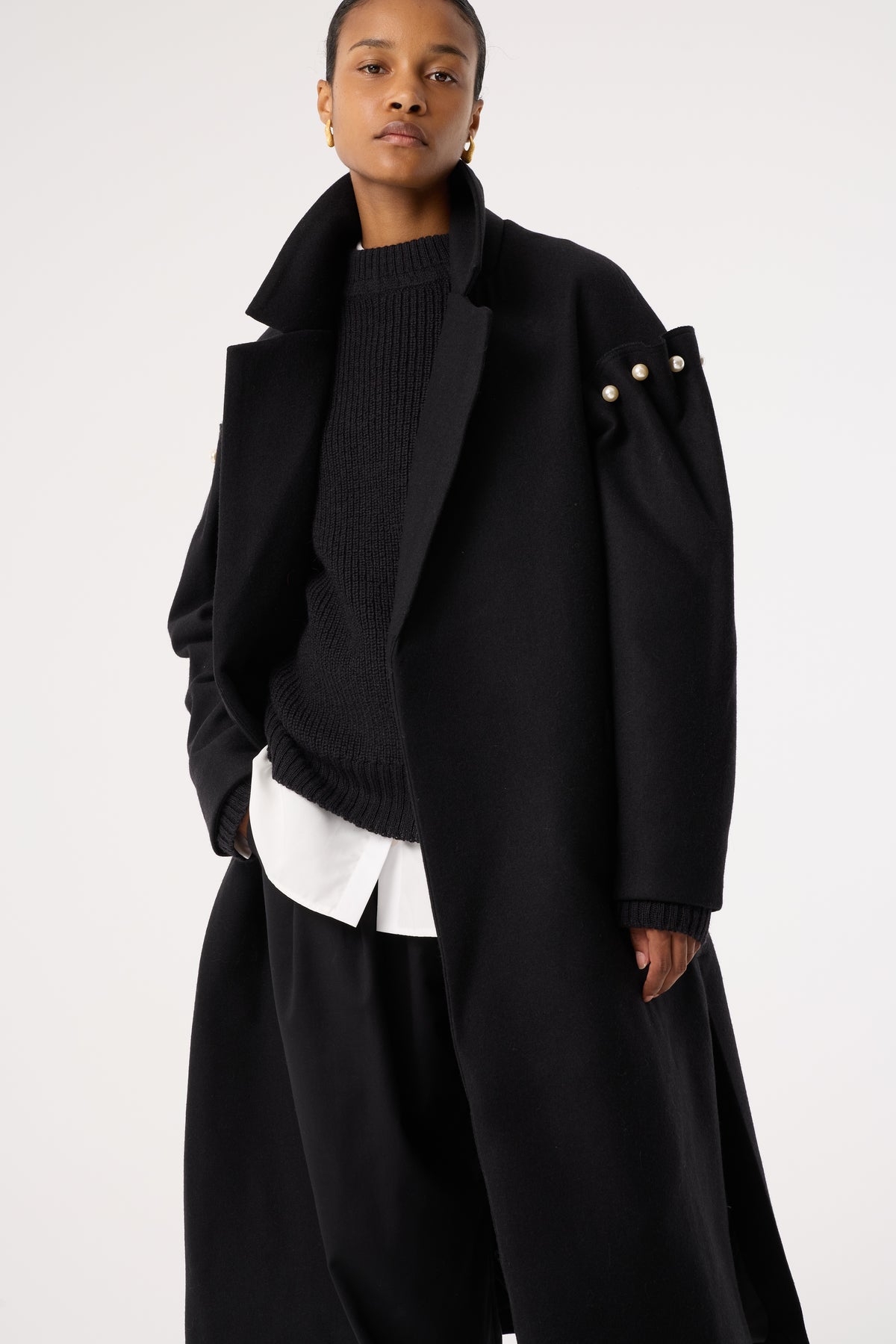
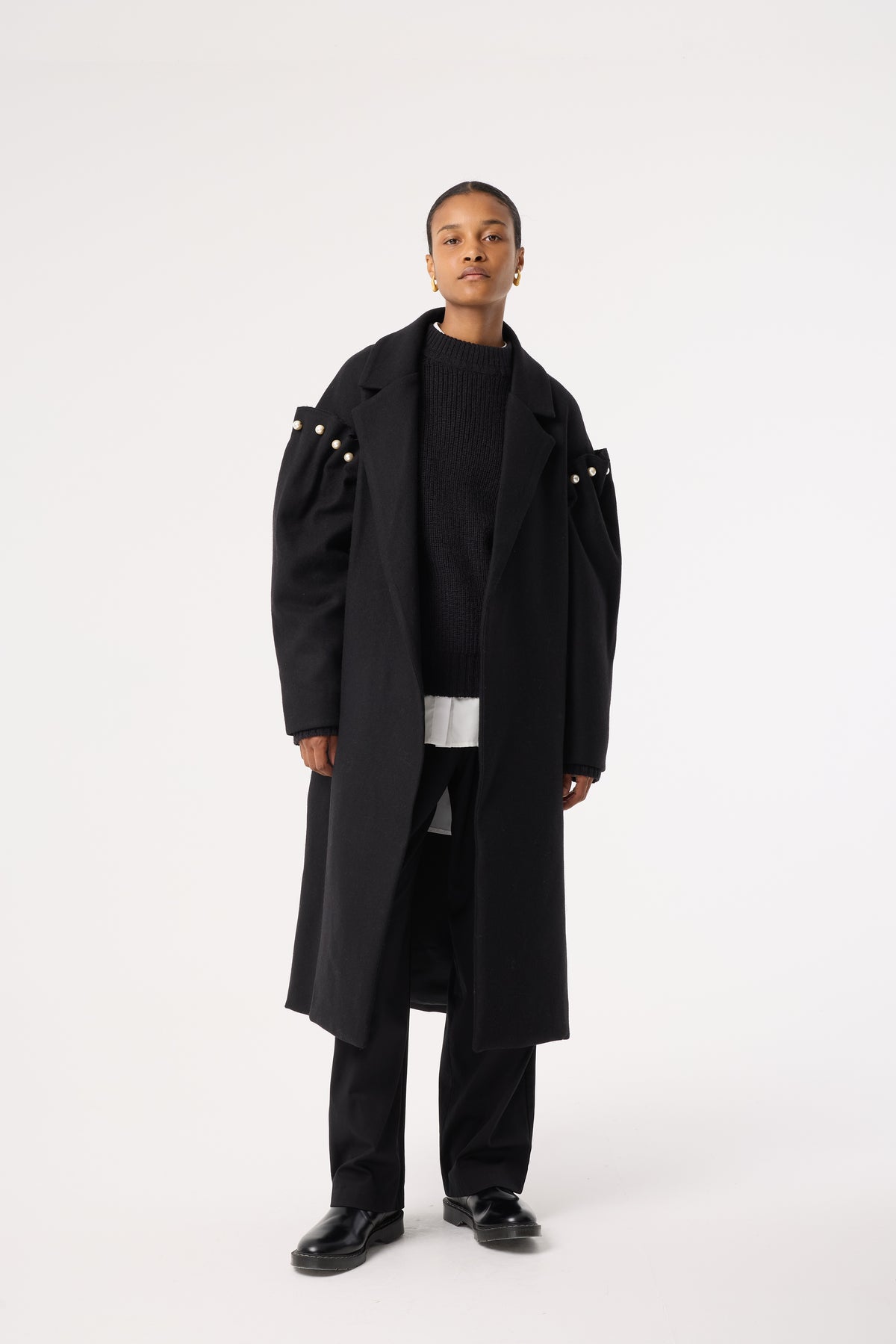
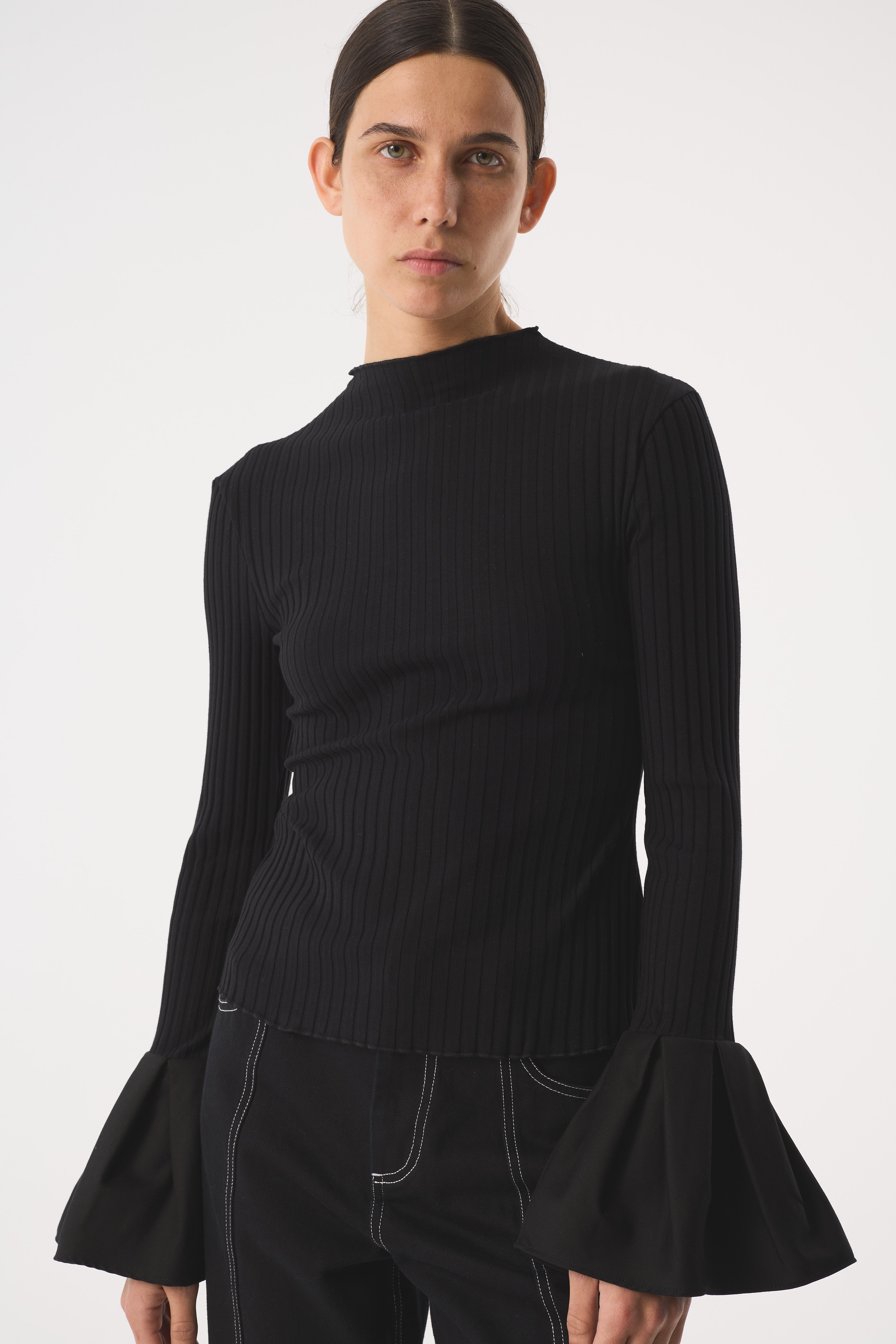
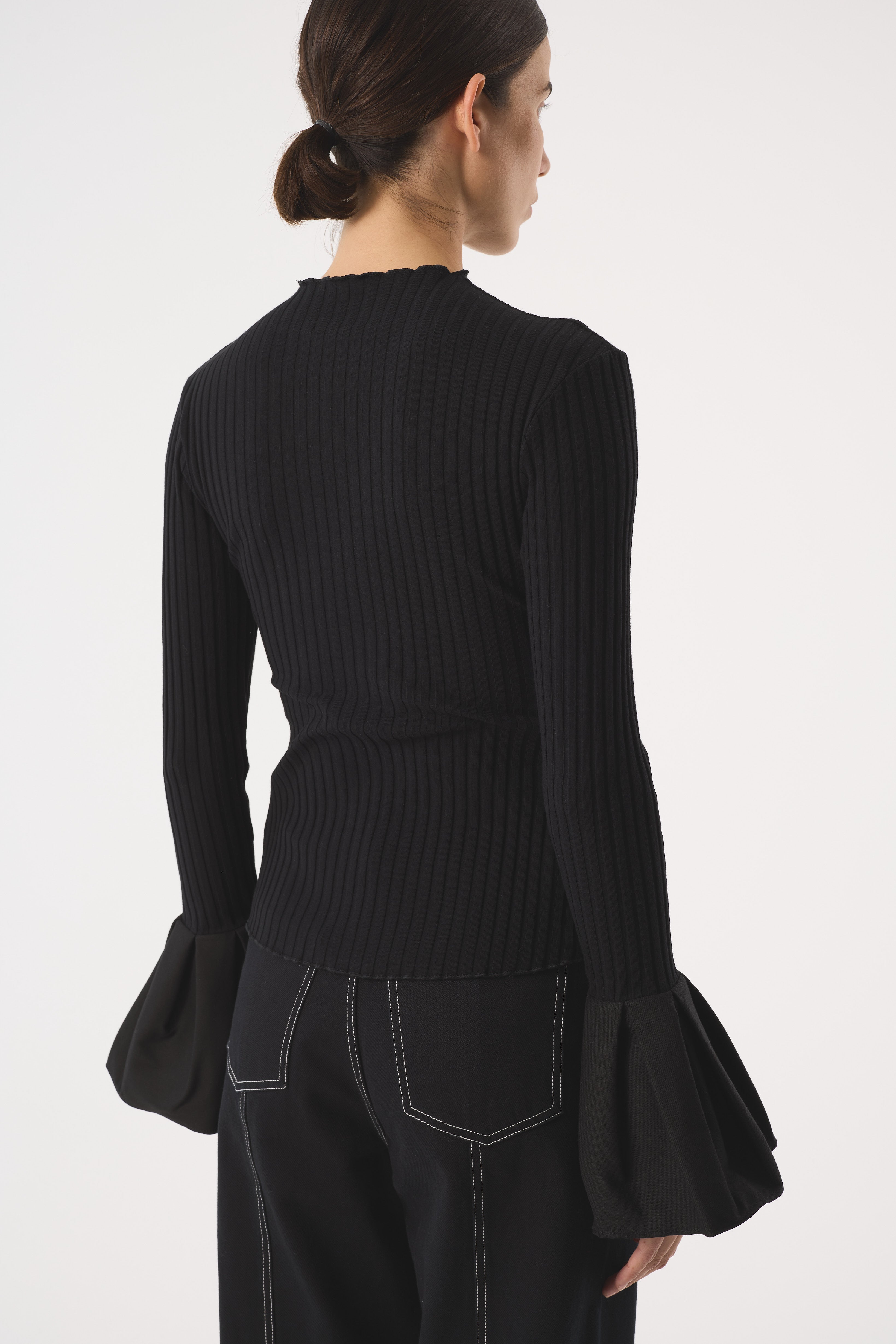
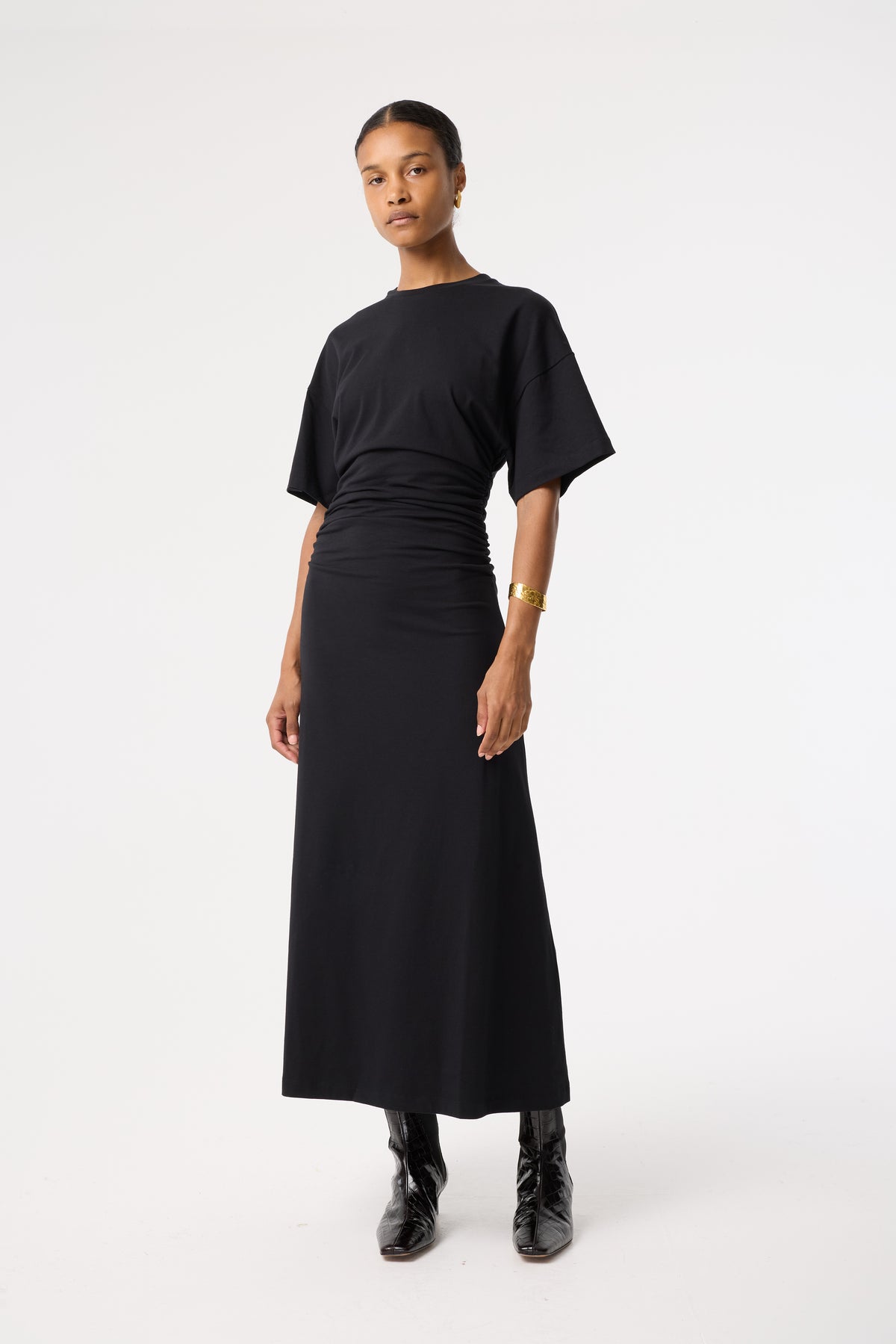
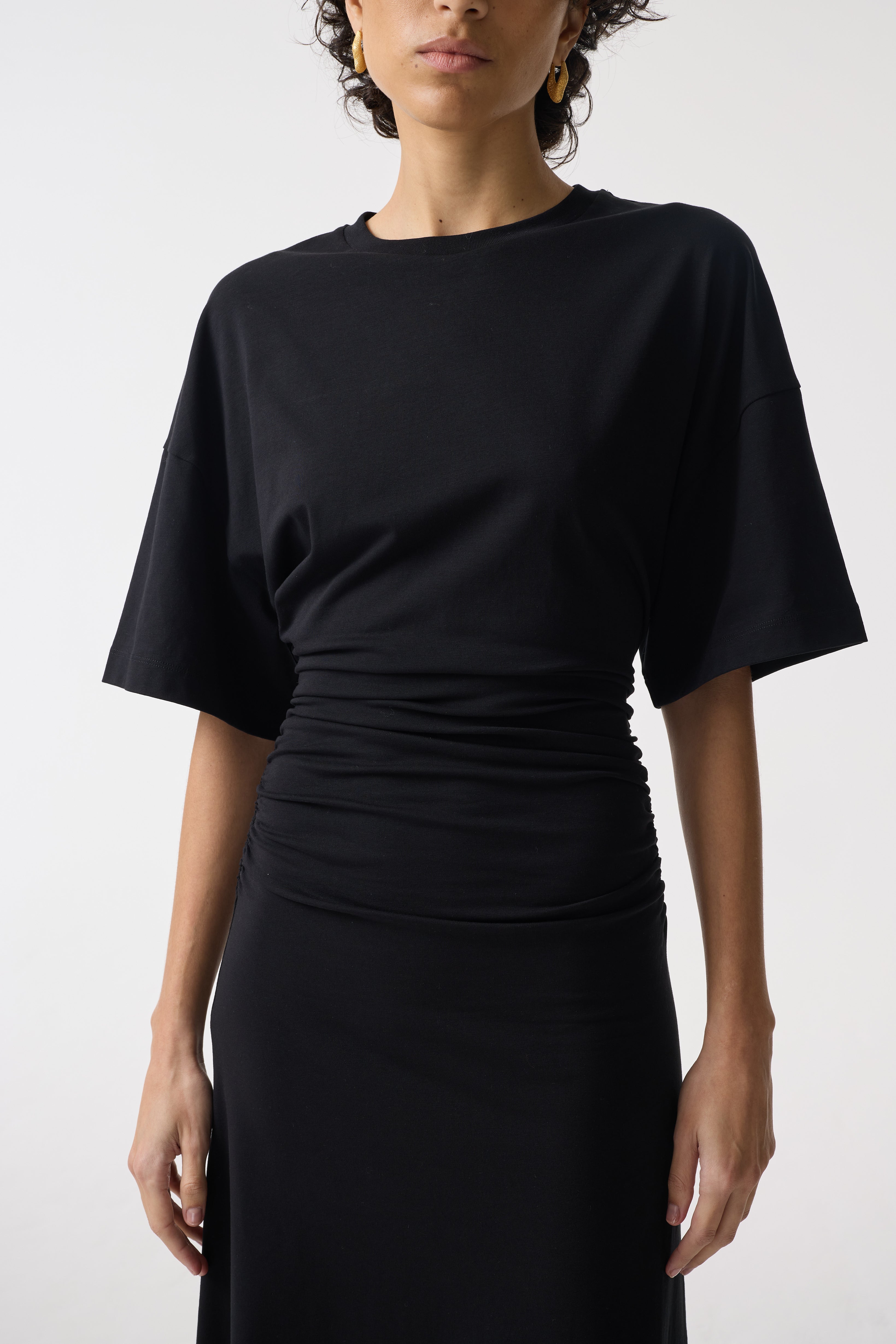
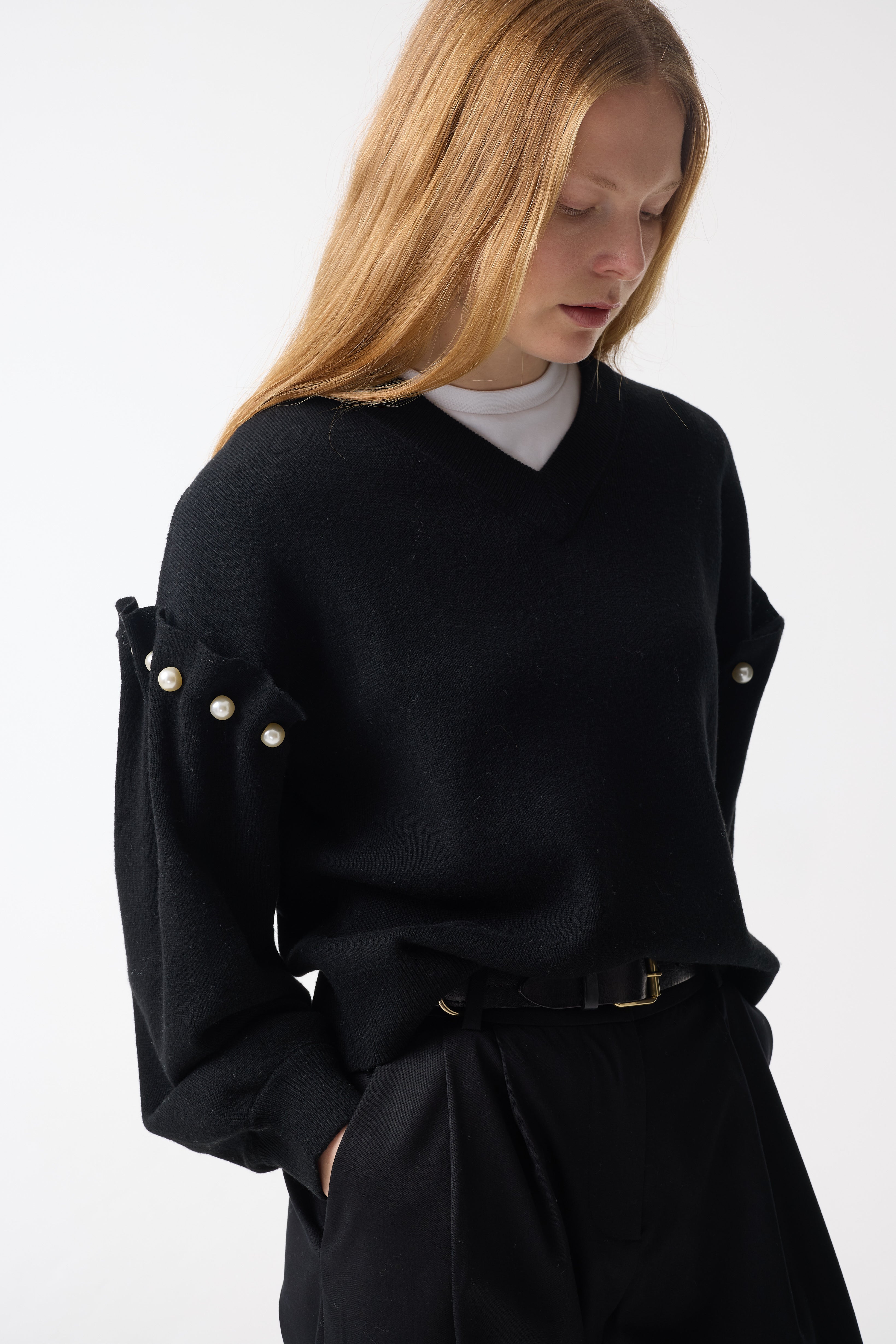
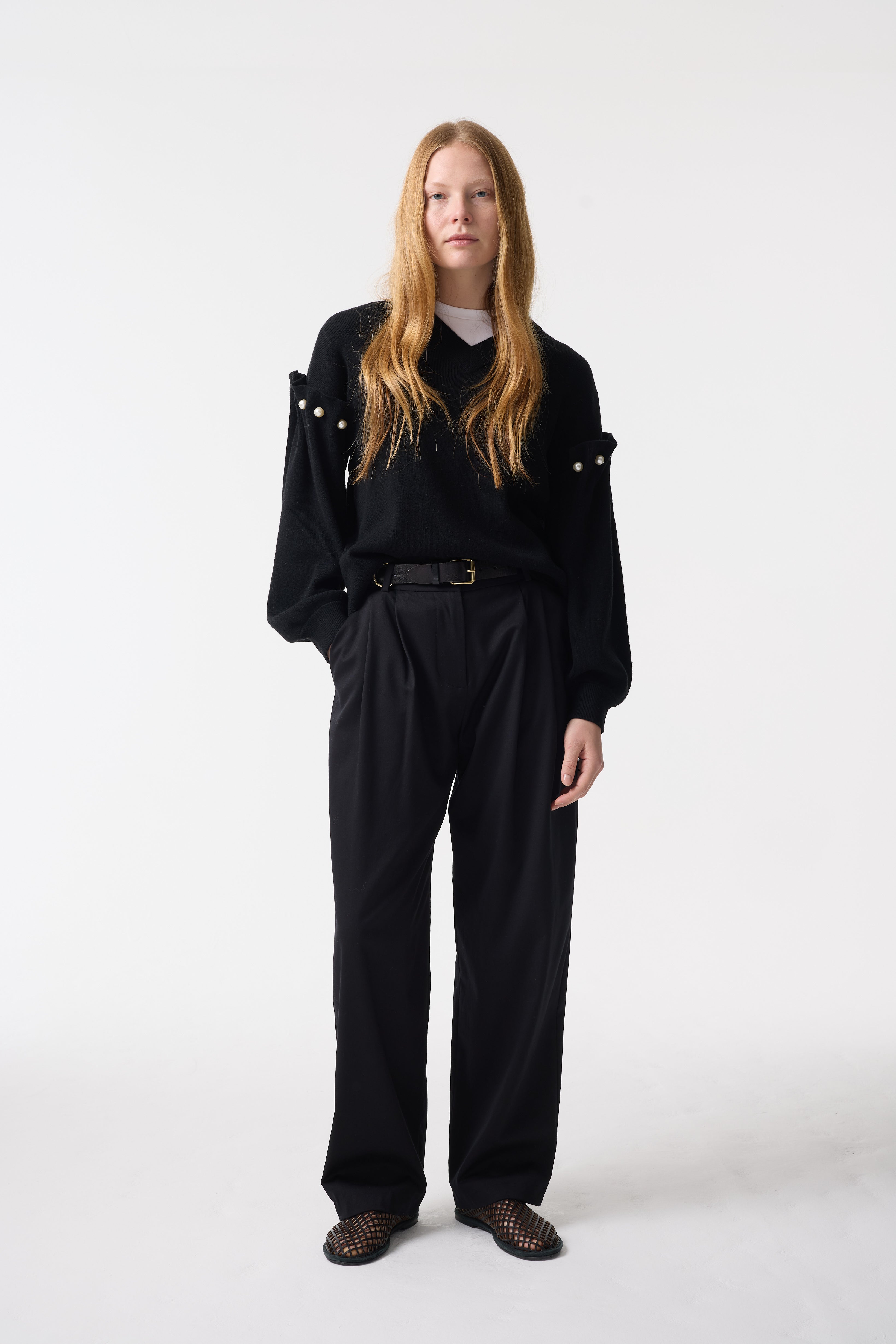
Lucy wears our Isla black top with Perla black trousers and our Thalia Black Coat.
Read more

Loved by our Kynfolk, our Dree coat brings an understated elegance to everyday dressing. Crafted in Portugal from a considered mix of undyed European flax linen and responsibly sourced wool and fi...
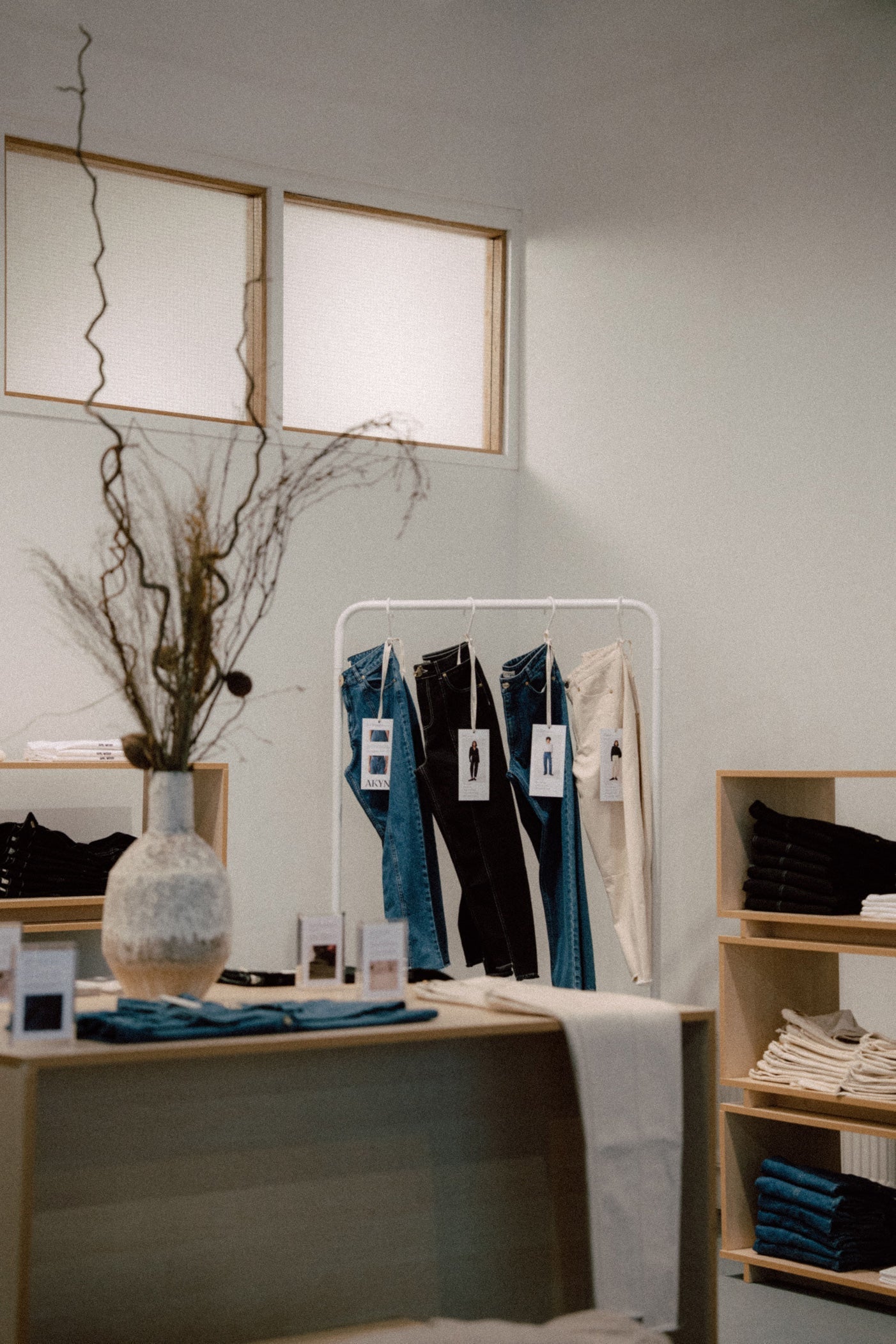
March 17th - 21st 2026 | TANK, London In March we returned to TANK for a second extended residency. It was an incredible, busy, week of community and connection, a chance for us to meet with our K...